Product
Egg Yolk Powder
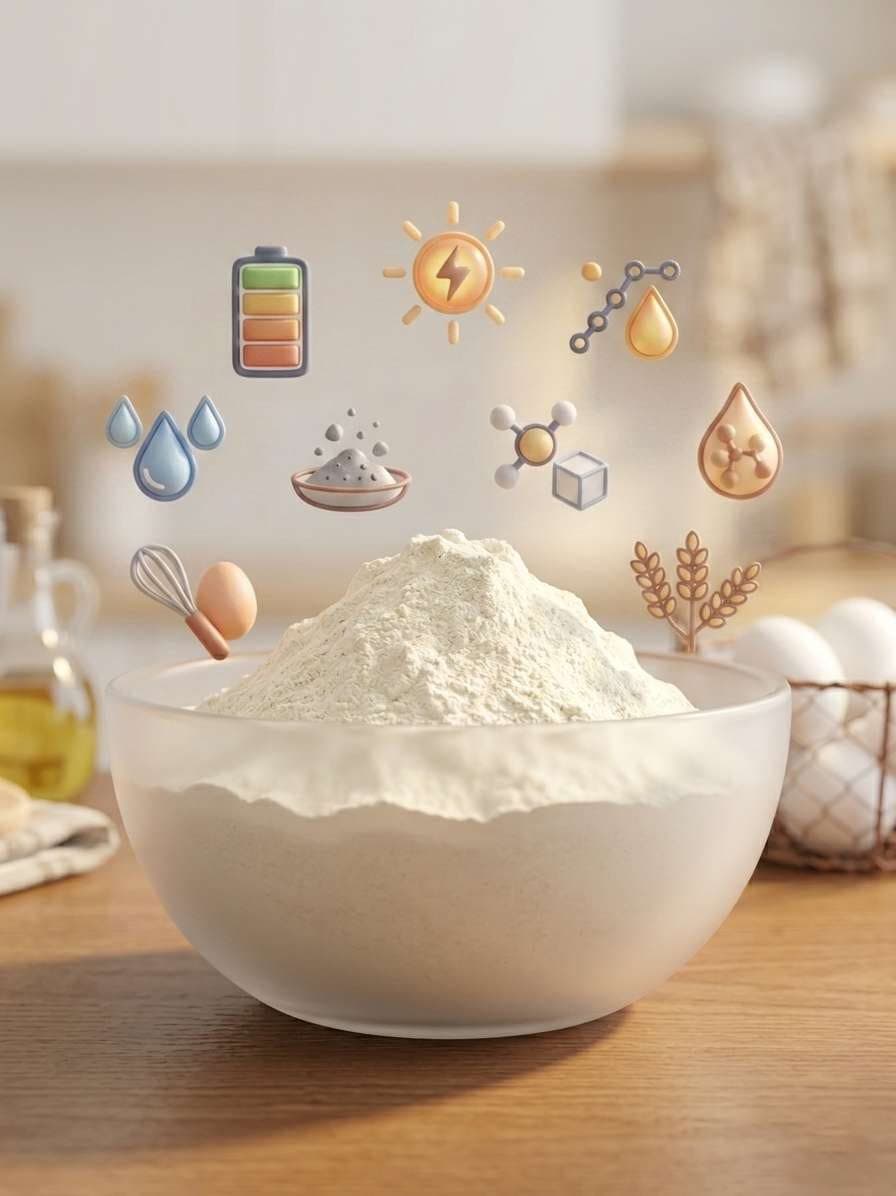
Egg yolk powder brings natural emulsifying power, color and flavor, helping sauces, creams and baked goods achieve stable emulsions and a richer finished product.
- Emulsion formation and stability
- Improved texture
- Color and flavor
Overview
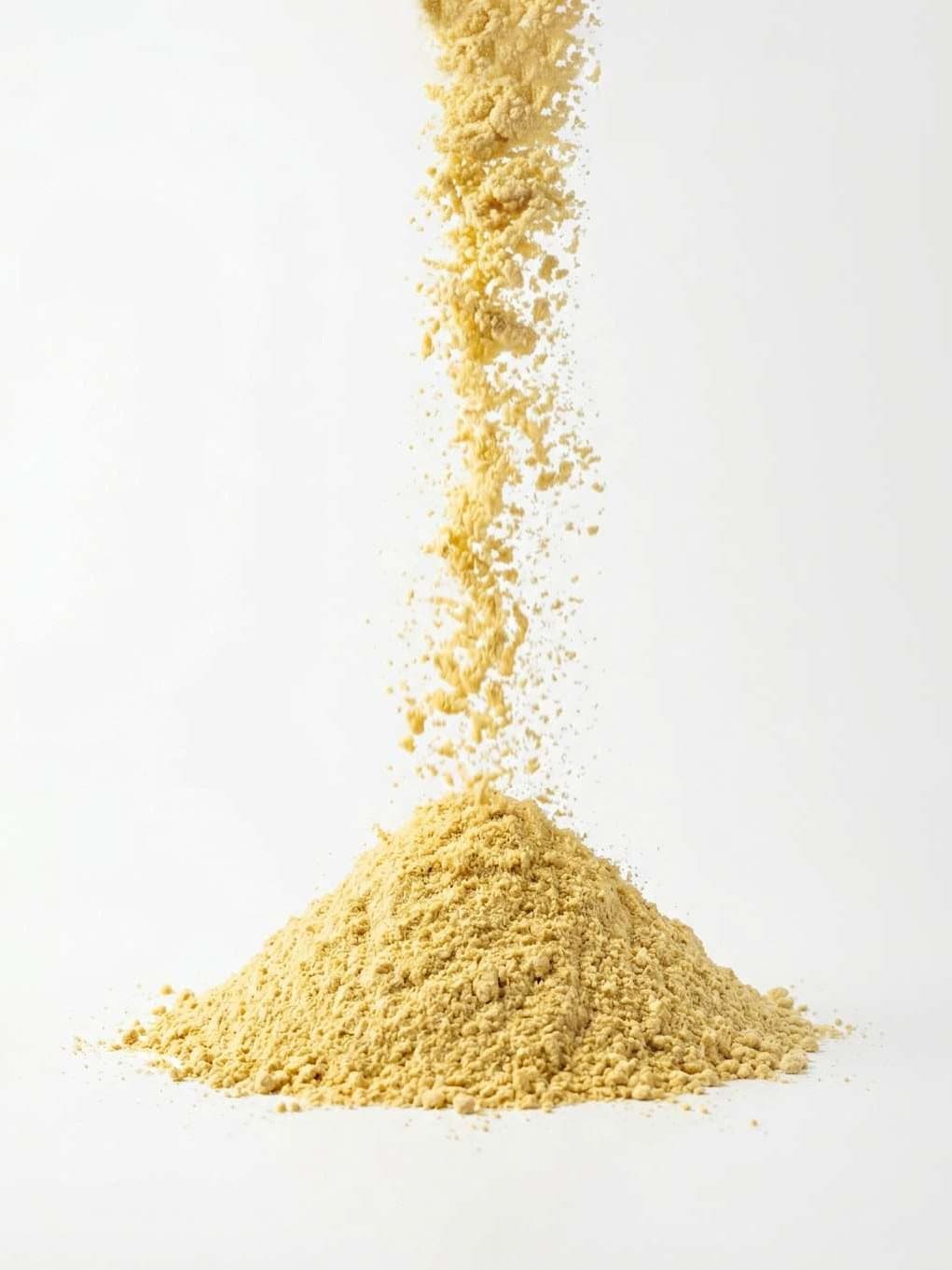
Egg yolk powder is produced by pasteurizing and drying liquid egg yolk. Its naturally occurring emulsifiers help oil and water phases combine and keep the resulting emulsion stable over time.
In the finished product it improves texture and contributes the desired color, flavor and richness. The powder format supports standardized dosing and consistent results across every production batch.
Functional Properties
Emulsion formation
Helps oil and water phases combine into a uniform emulsion.
Emulsion stability
Helps prevent the emulsion from separating over time.
Improved texture
Enhances the texture and mouthfeel of the finished product.
Color and flavor
Imparts the desired color and characteristic egg flavor.
Richness and batch consistency
Adds richness to the final product with consistent quality in every batch.
Typical Industrial Applications
Key applications for this product in industrial food manufacturing.

Cakes & Confectionery
Texture and richness in cakes, pastries and confectionery.

Dressings & Mayonnaise
Sauces and mayonnaise that depend on a stable emulsion.

Industrial Bread
Color, crumb and structure in industrial bread and baked goods.
Chocolate & Creams
Filling creams, chocolate products and cream desserts.
Ready Meals
Industrial ready meals and semi-finished products.
Technical Specifications
| Parameter | Typical value |
|---|---|
| Physical form | Powder |
| Processing | Pasteurized, spray-dried |
| Moisture (%) | 2 – 4 |
| Ash (%) | 2 – 4 |
| Free fatty acids (g / 100 g) | 1 – 2 |
| Microbiological values | Provided with the current TDS |
| Particle size | Provided with the current TDS |
| Packaging options | Provided with the current TDS |
| Shelf life and storage conditions | Provided with the current TDS |
Values shown are typical ranges. Binding, product- and batch-specific values are stated in the current TDS and COA.
Nutritional Information
| Parameter | Per 100 g |
|---|---|
| Energy (kcal) | 600 – 650 |
| Protein (g) | 31 – 35 |
| Fat (g) | 55 – 58 |
| Carbohydrate (g) | 3 – 5 |
| Sugar (g) | 1 – 2 |
Values are typical ranges per 100 g and are provided for information only. Binding values are stated in the current technical documents for the relevant batch.
Technical Documentation
Technical and quality documents are not published online. On request, they are sent to you directly for the relevant product and batch.
Technical Data Sheet (TDS)
Physical, chemical and microbiological specifications of the product.
Certificate of Analysis (COA)
Analysis results for the batch supplied.
Analysis Reports
Laboratory reports for the parameters you require.
Certificates
Available quality and compliance documents for the product and its manufacturing.
Official documents are shared exactly as issued, without any modification.
Request Technical InfoRequest a quote or technical information
Tell us about your application and estimated volume, and we will come back with the right product, specification and commercial terms.